
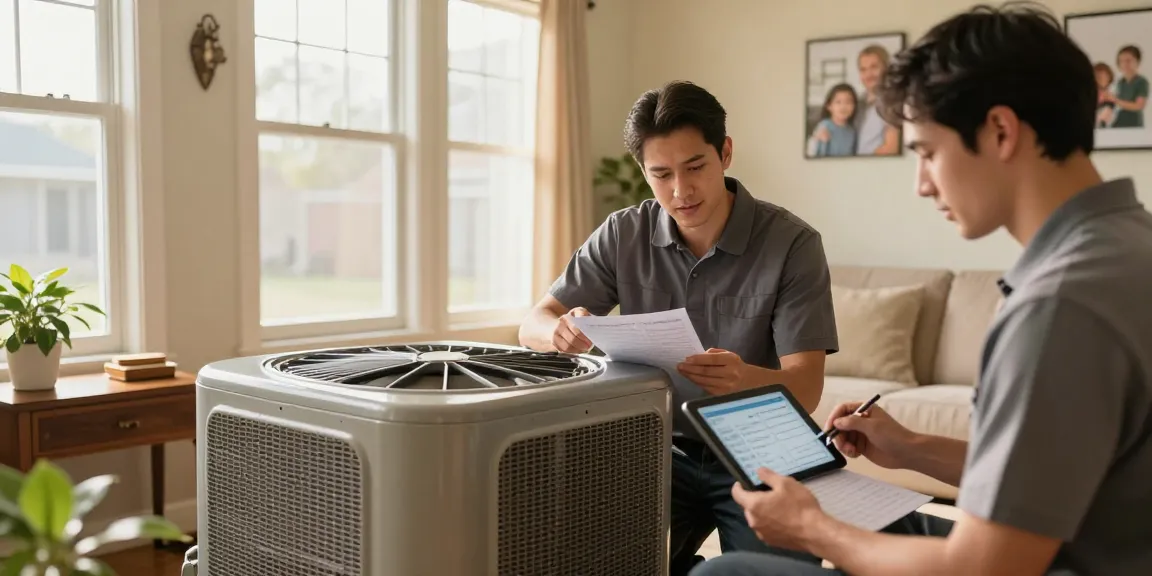
Understanding HVAC Systems in Stevens Point
Heating, ventilation, and air conditioning (HVAC) systems are critical components in the maintenance of comfortable home environments, especially for homeowners facing the unpredictable weather of Stevens Point, Wisconsin. These systems work together to regulate indoor temperature and air quality, ensuring that residents can enjoy their homes year-round. When exploring options, HVAC Stevens Point WI provides comprehensive insights into the local challenges and solutions tailored for your needs.
What is HVAC and its Importance?
HVAC stands for heating, ventilation, and air conditioning—an integrated system designed to manage the climate within residential and commercial buildings. The importance of a well-functioning HVAC system cannot be overstated. It not only ensures that your home is warm during frigid winter months but also provides relief from the oppressive heat of summer. A reliable HVAC system contributes to energy efficiency, indoor air quality, and overall comfort.
The Unique Climate Challenges of Stevens Point
Stevens Point experiences a humid continental climate, characterized by cold winters and warm, humid summers. This variability presents unique challenges for HVAC systems. Homeowners must ensure their systems are capable of handling extreme cold as well as high humidity levels. In winter, temperatures can dip below freezing, necessitating efficient heating solutions. Conversely, summer heat may require substantial cooling capacity to maintain comfortable indoor conditions.
Types of HVAC Systems Commonly Used
Several types of HVAC systems are popular among Stevens Point homeowners, including:
- Central Heating and Cooling Systems: These systems utilize a furnace or heat pump to generate warm air, which is then distributed through ducts.
- Mini-Split Systems: Ideal for homes without ductwork, mini-split systems provide both heating and cooling through wall-mounted units.
- Heat Pumps: These versatile systems can heat and cool a home by transferring heat from the outside air even in cold conditions.
- Boilers: Utilizing hot water to provide heating, boilers are popular in older homes and are known for their efficiency.
Preparing for Heating and Cooling Seasons
Proper preparation for seasonal HVAC changes is essential for ensuring optimal performance and comfort. Here are some crucial steps to help you get ready for both heating and cooling seasons.
How to Prepare Your HVAC System for Winter
Before winter settles in, homeowners should take proactive measures to prepare their heating systems. Key steps include:
- Furnace Inspection: Schedule a professional inspection to clean and tune your furnace.
- Replace Filters: Change air filters to ensure efficient airflow and reduce strain on the system.
- Seal Ducts: Inspect and seal any leaks in your ductwork to maintain energy efficiency.
- Check Thermostat Settings: Ensure that your thermostat is functioning properly and set to the desired temperature.
Essential Tips for Summer Cooling Efficiency
With summer approaching, it's vital to optimize your cooling system for maximum efficiency. Here are several recommendations:
- Regular Maintenance: Schedule tune-ups for your air conditioning system in early spring.
- Clean Outdoor Units: Remove debris around the outdoor unit to promote efficient airflow.
- Utilize Ceiling Fans: Ceiling fans can help circulate cool air, making your home feel cooler.
- Block Sunlight: Use curtains or shades to block direct sunlight during the hottest parts of the day.
Seasonal Maintenance Checklist for Homeowners
Implementing a seasonal maintenance checklist will help ensure your HVAC system runs smoothly all year long. Include the following items:
- Change air filters every 1-3 months.
- Inspect ductwork for any signs of damage or leaks.
- Test your thermostat and consider upgrading to a programmable model.
- Inspect insulation, particularly in attics and basements, to prevent energy loss.
Common HVAC Problems and Solutions
Even with regular maintenance, HVAC systems can encounter issues. Recognizing the signs early can save time, stress, and money.
Identifying Signs of HVAC Malfunction
Homeowners should remain vigilant for signs indicating a malfunctioning HVAC system, such as:
- Inconsistent temperatures throughout the home.
- Strange noises from the HVAC unit.
- Unpleasant odors coming from vents.
- Increased energy bills without a corresponding increase in usage.
DIY Troubleshooting Tips for Homeowners
Before calling a professional, homeowners can perform some basic troubleshooting:
- Check to ensure that the thermostat is set correctly and functioning.
- Inspect filters and replace them if they are dirty.
- Clear any debris from outdoor units.
- Look for any visible leaks in ductwork or insulation.
When to Call Professionals in Stevens Point
Despite your best efforts, there are times when a professional should be called. Consider seeking help if:
- Your system is unresponsive or fails to turn on.
- You notice refrigerant leaks.
- Heating or cooling is inconsistent despite troubleshooting.
- System repairs are beyond your skill level.
Cost Transparency and Pricing Structures
Understanding the costs associated with HVAC service can empower homeowners to make informed decisions.
Understanding Your HVAC Service Invoice
When you receive an invoice for HVAC services, it is essential to review the items carefully. Standard items to expect include:
- Service call fees.
- Parts and labor charges.
- Diagnostic fees (if applicable).
- Any additional charges for emergency services.
How to Get Accurate Estimates Before Scheduling
Before scheduling an HVAC service, request detailed estimates. A reputable service provider should offer:
- A breakdown of expected costs.
- Clear communication about services rendered.
- Information on any potential additional charges.
What Factors Affect Your HVAC Repair Costs?
Several factors can influence the cost of HVAC repairs, including:
- The type of system and its age.
- Difficulty of the repair.
- Cost of parts needed for replacement.
- Labor rates in your area.
Choosing the Right HVAC Contractor in Stevens Point
Selecting a qualified HVAC contractor is crucial for ensuring quality work and service. Here are some guidelines to follow:
Key Qualities to Look for in a Service Provider
When evaluating HVAC contractors, consider looking for the following traits:
- Licensing and insurance to protect yourself and your property.
- Experience with the specific types of systems used in your home.
- Positive customer reviews and testimonials.
- Responsive and transparent communication.
Importance of Local Expertise in HVAC Services
Choosing a local contractor has significant benefits, including knowledge of the specific climate conditions in Stevens Point and regulations applicable to your area. Local expertise ensures a more tailored and effective service.
Verifying Customer Feedback and Reviews
Customer feedback is invaluable when selecting an HVAC contractor. Look for reviews across multiple platforms, including:
- Google reviews.
- Yelp.
- Social media pages.
- Local community forums.
What Should I Do If I Need Emergency Services?
In emergencies—such as loss of heat in winter or electrical issues—immediate action is critical. Follow these steps:
- Turn off any unsafe equipment.
- Contact a professional HVAC service that offers 24/7 emergency support.
- Document the situation for reference during repairs.
How Can I Maintain Air Quality in My Home?
Good air quality is essential for a healthy home. Regularly replace filters, utilize air purifiers, and ensure proper ventilation to maintain a clean environment.
What Are the Benefits of Regular HVAC Tune-ups?
Regular tune-ups lead to several benefits, such as:
- Increased efficiency and lower energy bills.
- Prolonged lifespan of your system.
- Prevention of costly breakdowns during peak seasons.
- Improved indoor air quality.